
The History of Silk Scarves in European Fashion
The silk scarf is not a modern invention of fashion; it is a legacy.
Long before it became a symbol of elegance, status, and personal style, the silk scarf existed as a bridge between cultures, trade routes, and centuries of craftsmanship. Today, it remains one of the most iconic accessories in European fashion history, particularly within the world of luxury silk scarves and refined accessories like those created by Maison Carré.
To understand the silk scarf is to understand how fashion itself evolved from necessity to artistry, from function to identity.
Origins of Silk: From Ancient Trade to European Luxury
Silk first traveled to Europe through the ancient Silk Road, a vast network of trade routes connecting East and West. For centuries, silk was one of the most valuable materials in the world, reserved for nobility, royalty, and the elite.
When silk finally reached Europe, it was not just admired, it was revered.
Early European aristocracy quickly adopted silk as a symbol of wealth and refinement. It was used in garments, accessories, and ceremonial dress, marking a clear distinction between social classes.
This early fascination laid the foundation for what would later become the Italian silk scarves tradition and the European luxury textile industry.
The Rise of Silk in European Courts
By the 16th and 17th centuries, silk had become deeply embedded in European royal courts.
France, Italy, and England became centers of silk appreciation and production. European nobility wore silk not only for its beauty but for what it represented: power, access, and cultural sophistication.
Silk scarves and neckerchiefs began appearing in court fashion, often handwoven and intricately decorated. They were worn by both men and women as subtle markers of status.
Over time, these accessories evolved from purely functional garments into decorative expressions of identity, an early form of what we now recognize as fashionable silk scarves.
Italy and the Evolution of Silk Craftsmanship
Italy, particularly the region of Como, became one of the most important centers for silk production in Europe.
The combination of skilled artisans, natural resources, and design sensibility transformed Como into a global reference point for textile excellence.
Even today, handcrafted silk scarves from Como are considered among the finest in the world, known for their softness, precision printing, and exceptional drape.
This tradition continues to influence modern luxury houses, including Maison Carré, where silk is still treated as a craft rather than a commodity.
The Silk Scarf in 20th Century European Fashion
The 20th century marked a turning point for the silk scarf.
No longer limited to aristocracy, it became a defining accessory of modern femininity. Fashion houses across France and Italy began reimagining silk scarves as wearable art.
Icons of cinema and style from European actresses to global fashion figures popularized the scarf as a symbol of effortless elegance.
It could be tied around the neck, worn in the hair, or draped over the shoulders. This versatility helped establish the silk scarf as a permanent fixture in luxury wardrobes.
The modern idea of luxury printed silk scarves was born during this era, where design, illustration, and storytelling became central to textile creation.
The European Philosophy of Silk
What distinguishes European silk tradition from others is not just technique it is philosophy.
Silk in Europe has always been about restraint, balance, and detail. Rather than overwhelming patterns or excessive decoration, European silk design often focuses on composition and subtlety.
This philosophy is still visible today in premium silk scarves, where elegance is defined by precision rather than excess.
It is also why silk remains timeless in European fashion; it adapts without losing its identity.
Silk Scarves as Modern Luxury Icons
In contemporary fashion, silk scarves have retained their relevance by evolving.
They are no longer just accessories; they are statements of identity. Worn by women across generations, they represent individuality, confidence, and refined taste.
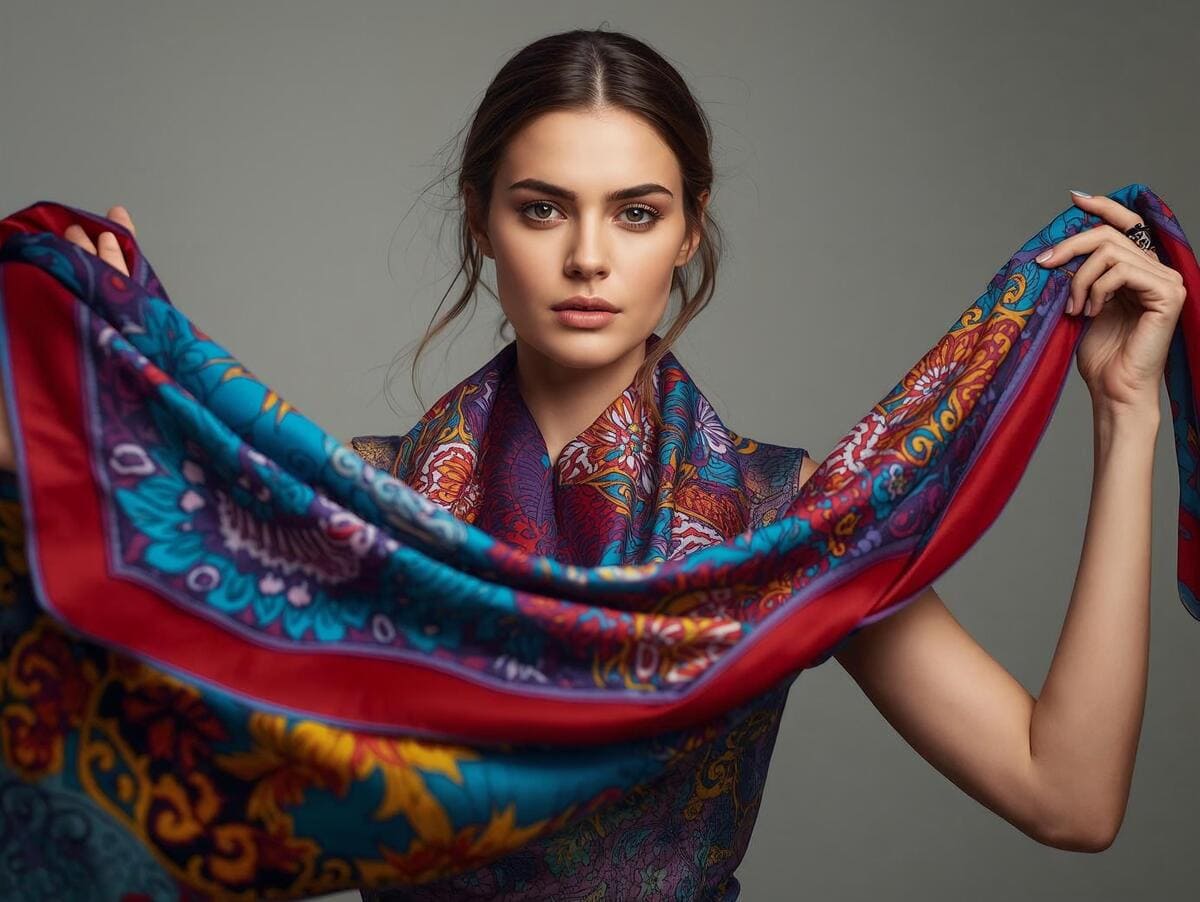
Modern interpretations include carré scarves, silk twillies, and oversized formats, often used as styling elements across clothing, bags, and hair.
At Maison Carré, this evolution is embraced through limited edition luxury scarves, designed in seasonal releases that honor both heritage and modern expression.
The Connection to Maison Carré
Maison Carré draws from this long European tradition of silk craftsmanship while redefining how it is experienced today.
Our pieces, including authentic Como Italy silk scarves, are created in collaboration with artisans who continue this heritage of precision and artistry.
But beyond craftsmanship, we also focus on meaning.
Each scarf is part of a limited collection, designed not for mass production but for emotional connection and individuality.
In this way, the history of silk is not only preserved, but it is also continued.
Final Thought
Across centuries, cultures, and continents, the silk scarf has continued its journey as a constant symbol of elegance. It has moved from ancient trade routes into European courts, and from cinematic icons into modern wardrobes.
Its enduring strength is not defined by history alone, but by how seamlessly it continues to evolve while preserving its essential identity.